11 Jul 2026
The Technical Process Behind Aligning Multiple Betting Brokers for Real-Time Odds Monitoring in Football and Horse Racing
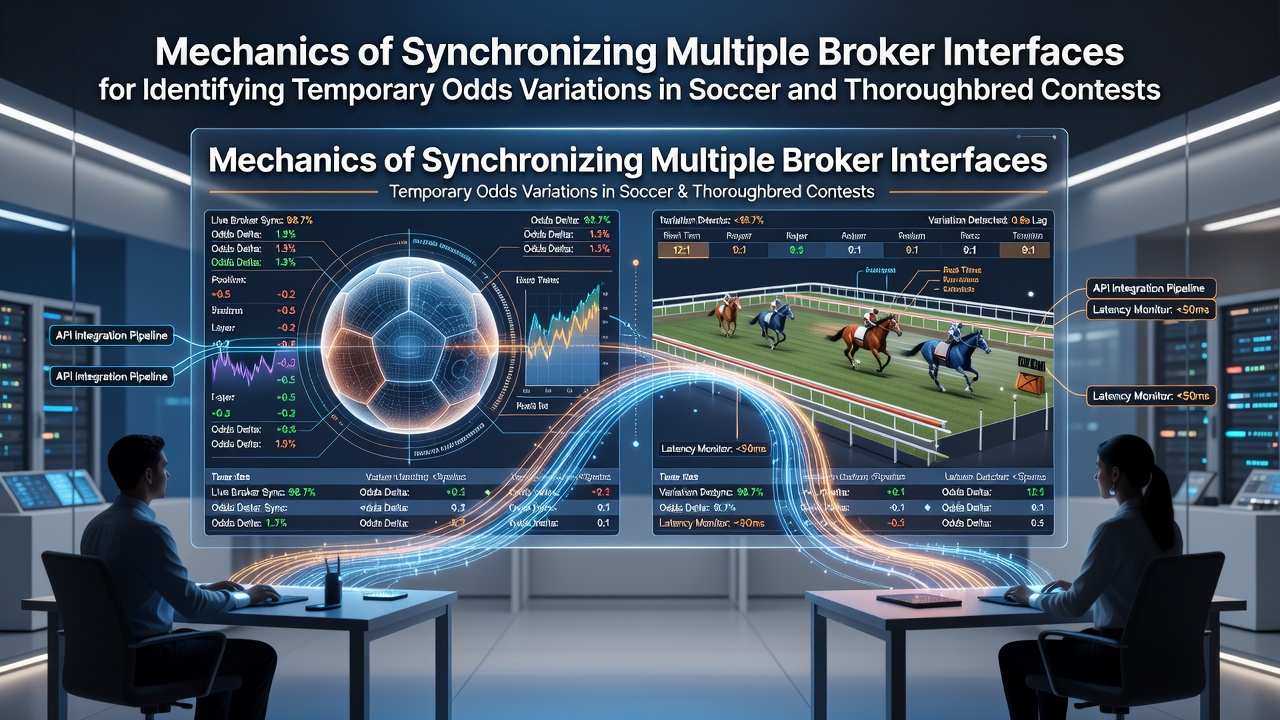
Multiple broker platforms operate through distinct APIs and data feeds that require precise coordination to track fleeting price differences across soccer matches and thoroughbred races, and this coordination begins with establishing secure connections to each provider's endpoint while maintaining consistent timestamp protocols. Systems pull live odds at intervals measured in milliseconds, then normalize the incoming data streams into a unified format that allows direct comparison between sources without introducing latency from format mismatches.
Core Components of Interface Alignment
Each broker maintains its own data structure for soccer leagues and equine events, so alignment tools convert these varied outputs into standardized fields covering event identifiers, market types, and price points. Researchers at institutions studying betting technologies have documented how timestamp synchronization across servers prevents false variation signals that arise from clock drift rather than genuine market movement. Connection managers handle authentication tokens, rate limits, and reconnection logic so that a temporary outage at one broker does not halt the entire monitoring operation.
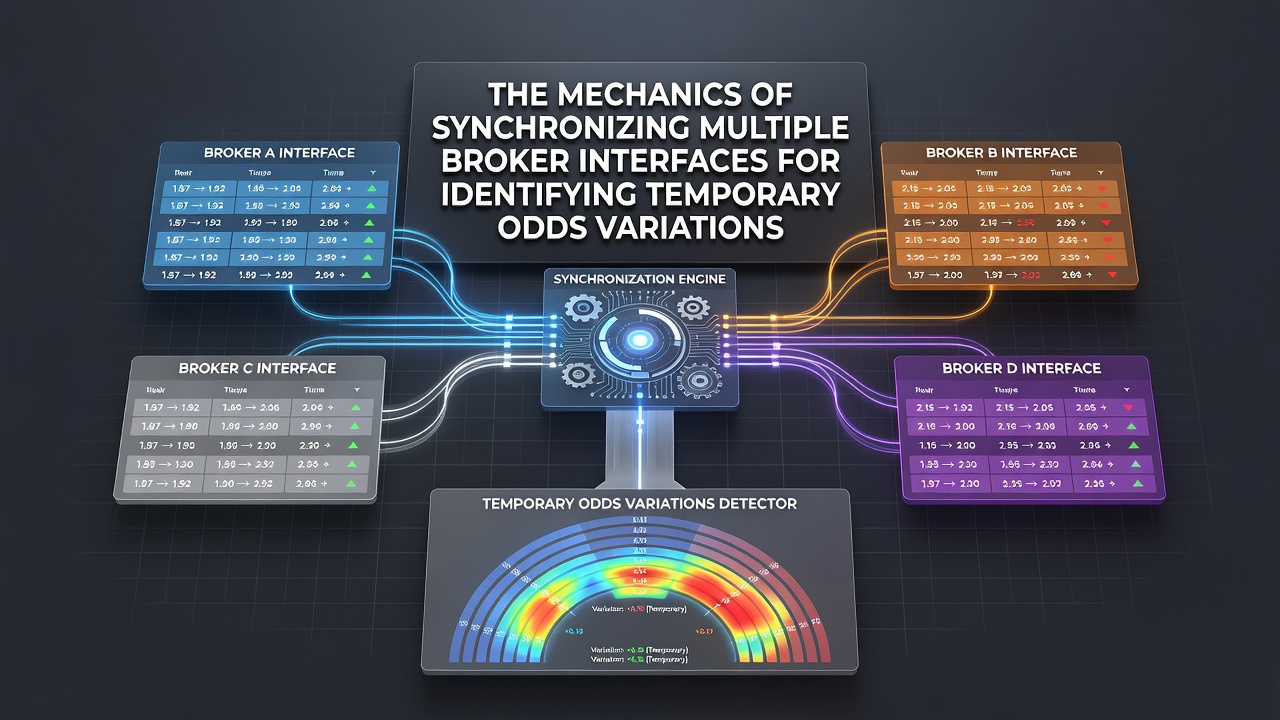
Data pipelines then feed the normalized streams into comparison engines that flag instances where the same selection shows divergent prices lasting only seconds before convergence occurs. These engines rely on queue management to process updates in arrival order, and they discard stale entries once a configurable threshold passes.
Handling Real-Time Data Streams for Soccer and Thoroughbred Markets
Soccer in-play markets generate rapid updates during matches, whereas thoroughbred contests produce concentrated activity around race starts and in the minutes leading to post time. Synchronization layers therefore apply different polling frequencies to each sport category, with soccer feeds often checked more frequently than pre-race horse markets. Observers note that combining websocket connections for immediate pushes alongside periodic REST calls creates redundancy that captures changes even when one channel experiences brief interruptions.
Event matching algorithms cross-reference unique identifiers supplied by each broker against a master schedule, resolving discrepancies that appear when providers label the same fixture differently. Once matched, price arrays are compared side by side so that any spread exceeding a set tolerance triggers an alert for further review.
Latency Management and Data Integrity Measures
Network delays between broker servers and the monitoring system can mask or fabricate apparent variations, therefore round-trip time measurements run continuously and adjust expected arrival windows accordingly. Integrity checks apply checksums and sequence numbers to incoming packets, discarding any that fail validation before they reach the comparison stage. As of July 2026, several platform providers have introduced optional dedicated lines that reduce jitter for high-volume users, although standard internet connections remain sufficient when buffering and retry logic are implemented correctly.
Storage of historical snapshots occurs in time-series databases that preserve the exact sequence of price changes, enabling later audits to confirm whether a detected variation represented a genuine, tradable discrepancy or simply a reporting artifact. Access controls limit who can retrieve these records, and automated purging routines remove older entries once regulatory retention periods expire.
Scaling Across Multiple Accounts and Jurisdictions
Operators often maintain accounts with brokers licensed in different regions, which introduces additional variables such as currency conversion and settlement rules. Synchronization frameworks incorporate exchange-rate feeds that update in parallel with odds data, converting all figures to a common base before comparison occurs. According to figures released by the Nevada Gaming Control Board, cross-border account activity has increased steadily, prompting developers to build compliance modules that flag jurisdiction-specific restrictions during the matching process.
Load-balancing mechanisms distribute requests evenly so that no single broker interface becomes overwhelmed, and failover routing switches traffic to backup endpoints when primary connections degrade. These arrangements support continuous monitoring even during peak periods around major soccer tournaments or large thoroughbred festivals.
Conclusion
Effective synchronization of broker interfaces rests on standardized data handling, precise timing controls, and robust error recovery that together allow identification of temporary odds variations before they disappear. The same principles apply equally to soccer and thoroughbred contests, with sport-specific adjustments for update frequency and market structure. Continued refinement of these technical layers supports consistent detection across expanding numbers of providers and changing regulatory environments.