13 Jul 2026
Synchronizing Live Data Streams from Various Betting Platforms to Detect Pricing Variations in Football Competitions and Equine Racing
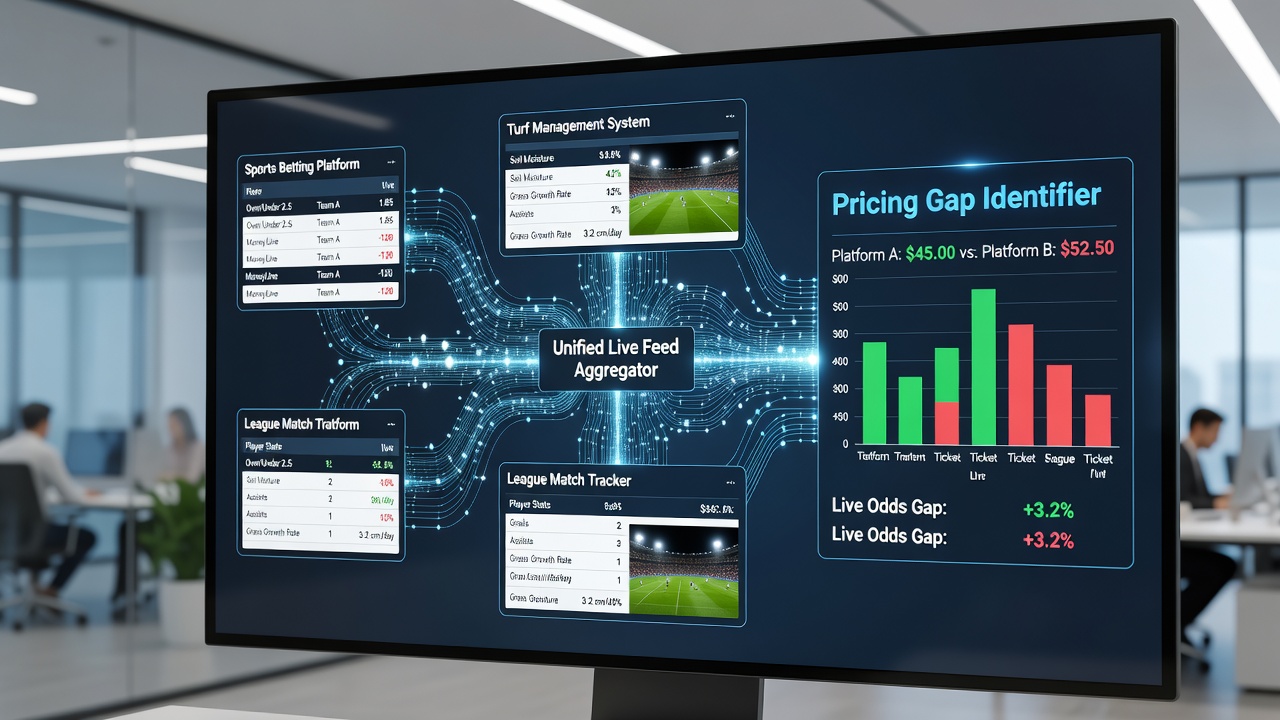
Platforms that handle sports wagers now process massive volumes of live odds data from exchanges, bookmakers and data aggregators, and operators who integrate these streams in real time gain visibility into momentary pricing gaps that appear during football league fixtures and thoroughbred meetings. Those gaps arise when one venue updates its lines faster than others, or when liquidity differences between exchanges create temporary mismatches that automated systems can flag before manual traders react. Research from the University of Nevada's International Gaming Institute shows how latency under two hundred milliseconds often determines whether such discrepancies translate into executable opportunities in soccer and racing markets.
Core Components of Multi-Platform Feed Integration
Data pipelines pull JSON or FIX feeds from several endpoints simultaneously, normalize timestamps and apply reconciliation logic that accounts for currency conversions plus any operator-specific margins. Engineers configure message queues to handle bursts during high-profile matches or major race days, while monitoring tools track packet loss and sequence gaps that could mask true pricing differences. Observers note that successful setups rely on redundant connections to primary and backup sources so that a single provider outage does not interrupt gap detection across Premier League games or Cheltenham jumps cards.
Application in League Matches
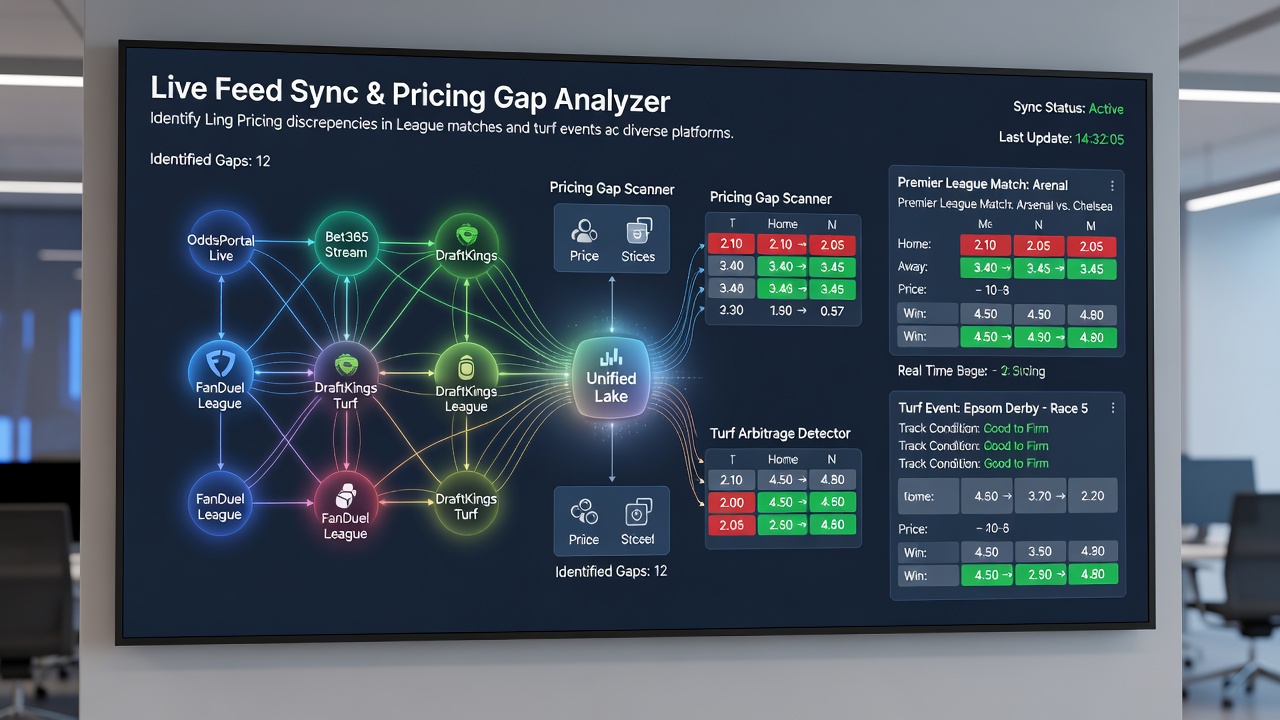
During a typical Saturday football schedule, goal-line and Asian handicap markets move rapidly after red cards or penalty decisions, and synchronized feeds let systems compare the updated prices on one exchange against slower-responding bookmakers. When the spread between two venues exceeds a defined threshold after fees, alerts trigger for review or automated placement. Figures from the Nevada Gaming Control Board indicate that in-play soccer markets generated over 40 percent of total sports betting handle in regulated US states during 2025, underscoring why operators invest heavily in low-latency synchronization tools. Those who have studied these patterns know that smaller European leagues often produce wider gaps because liquidity is thinner and fewer participants monitor every line continuously.
Special Considerations for Turf Events
Horse racing presents distinct challenges because non-runners, track conditions and jockey changes alter odds minutes before post time, and live feeds must ingest veterinary scratch reports alongside betting exchange streams. Platforms that merge these inputs can identify instances where one bookmaker lags in adjusting place prices while exchanges have already reflected new information. Data released by the Australian Communications and Media Authority in early 2026 highlighted increased wagering volumes on all-weather fixtures, with gaps appearing most frequently in lower-grade races where fewer syndicates actively trade. Operators therefore schedule additional reconciliation checks during twilight meetings when multiple tracks run simultaneously.
Technical and Regulatory Context in Mid-2026
By July 2026 several jurisdictions began requiring timestamp granularity of at least one millisecond for all in-play data feeds used by licensed operators, a move that directly affects how quickly pricing gaps can be validated. Systems must now log every price update with source identifiers so regulators can audit whether detected discrepancies resulted from genuine market movement or from synchronization errors. Industry reports compiled by the European Gaming and Betting Association note that compliance with these standards has prompted many firms to upgrade their message brokers and introduce checksum verification on all incoming packets. Those upgrades, while costly, reduce false positives that previously wasted review time on phantom gaps caused by delayed data packets.
Operational Workflows and Risk Controls
Teams that run gap-detection engines typically maintain separate risk engines that apply exposure limits per market and per event, preventing any single pricing discrepancy from triggering oversized positions. Automated kill switches halt trading if feed latency exceeds preset thresholds or if reconciliation failures exceed a set percentage of messages. People who have implemented these controls emphasize the importance of maintaining historical price series so that models can distinguish between recurring inefficiencies and one-off anomalies created by unusual news flow during a match or race. Training datasets often span multiple seasons to capture how gaps behave under different liquidity regimes and regulatory environments.
Conclusion
Effective synchronization of live feeds from diverse platforms continues to shape how pricing gaps are identified in league matches and turf events, with operators adapting their infrastructure to meet both technical demands and evolving regulatory expectations. The combination of millisecond-level timestamps, redundant data paths and layered risk controls allows consistent monitoring across football and racing calendars without exposing firms to excessive settlement or compliance risk. As data standards tighten further in the second half of 2026, those who maintain robust integration frameworks stand positioned to capture the narrow windows when markets temporarily diverge.