8 Jul 2026
Synchronizing Account Networks to Track Real-Time Discrepancies Across Domestic League Fixtures and National Hunt Events
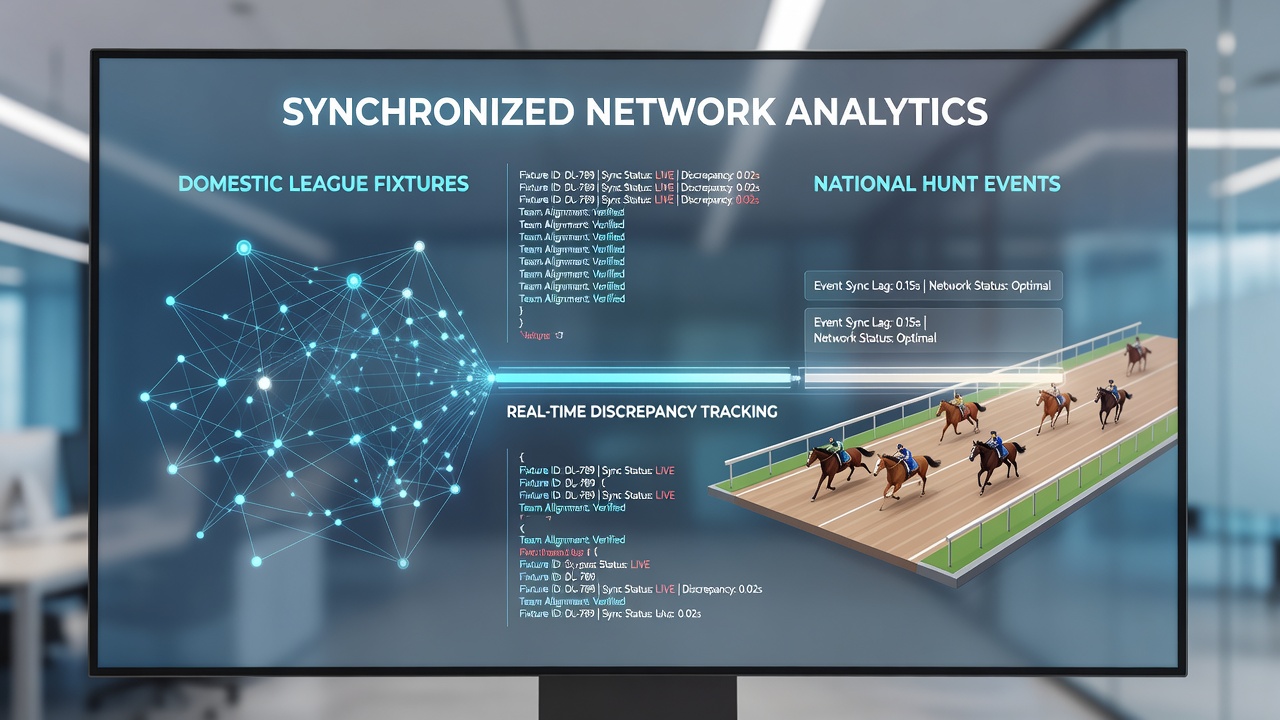
Account networks that operate across multiple platforms now rely on synchronized data streams to monitor odds movements during domestic league fixtures and national hunt events, and this coordination allows operators to flag variations the moment they appear in the market. Systems pull information from bookmakers, exchanges, and data providers simultaneously so that any mismatch in pricing for a Premier League match or a Cheltenham jumps race surfaces without delay. Observers note that the process begins with API connections that link each account to a central dashboard where timestamps align every incoming feed to the second.
Core Components of Network Synchronization
Software layers handle authentication across accounts while maintaining secure sessions that refresh automatically throughout the day, and these layers incorporate error-checking protocols that verify data integrity before any discrepancy analysis begins. Real-time feeds from fixtures supply team lineups, weather conditions, and in-play statistics, whereas national hunt coverage adds details such as going reports and pace maps. Data indicates that synchronization succeeds when latency stays below 500 milliseconds, a threshold that researchers at the University of Nevada, Las Vegas have examined in studies of live wagering infrastructure.
Engineers configure middleware to translate differing data formats from each source into a unified structure, and this translation step prevents format mismatches from masking genuine price differences. Accounts tied to football leagues receive updates on substitutions and card events instantly, while those covering national hunt races process jumps results and distance adjustments in the same cycle. The combined stream then runs through comparison algorithms that calculate spreads between the highest and lowest available odds for any given outcome.
Application to Domestic League Fixtures
During a typical Saturday round of league matches, synchronized networks scan hundreds of markets across dozens of bookmakers, and the system highlights when one platform prices a draw at 3.40 while another lists the same result at 3.10. Such gaps become visible because each account logs its own timestamped quote, allowing the central processor to sort and rank values without manual intervention. Analysts have observed that these differences often widen in the final ten minutes before kickoff when liquidity concentrates on certain scorelines.
Fixtures in lower divisions present additional variables because fewer exchanges publish live odds, yet the same synchronization tools still aggregate what limited data exists and compare it against major-league benchmarks. The result is a clearer picture of where pricing inconsistencies cluster, particularly when international markets close earlier than domestic ones. According to figures from the Australian Gambling Research Centre, cross-market variance detection tools have grown more precise as feed coverage expands.
Handling National Hunt Events
National hunt schedules introduce their own timing challenges because races occur at irregular intervals and span multiple venues on the same afternoon. Networks must therefore maintain separate queues for each meeting so that a late non-runner at one track does not corrupt data from another. Synchronization protocols adjust for these staggered starts by pausing comparison routines until the official going declaration arrives, then resuming the scan once all accounts confirm the updated conditions.
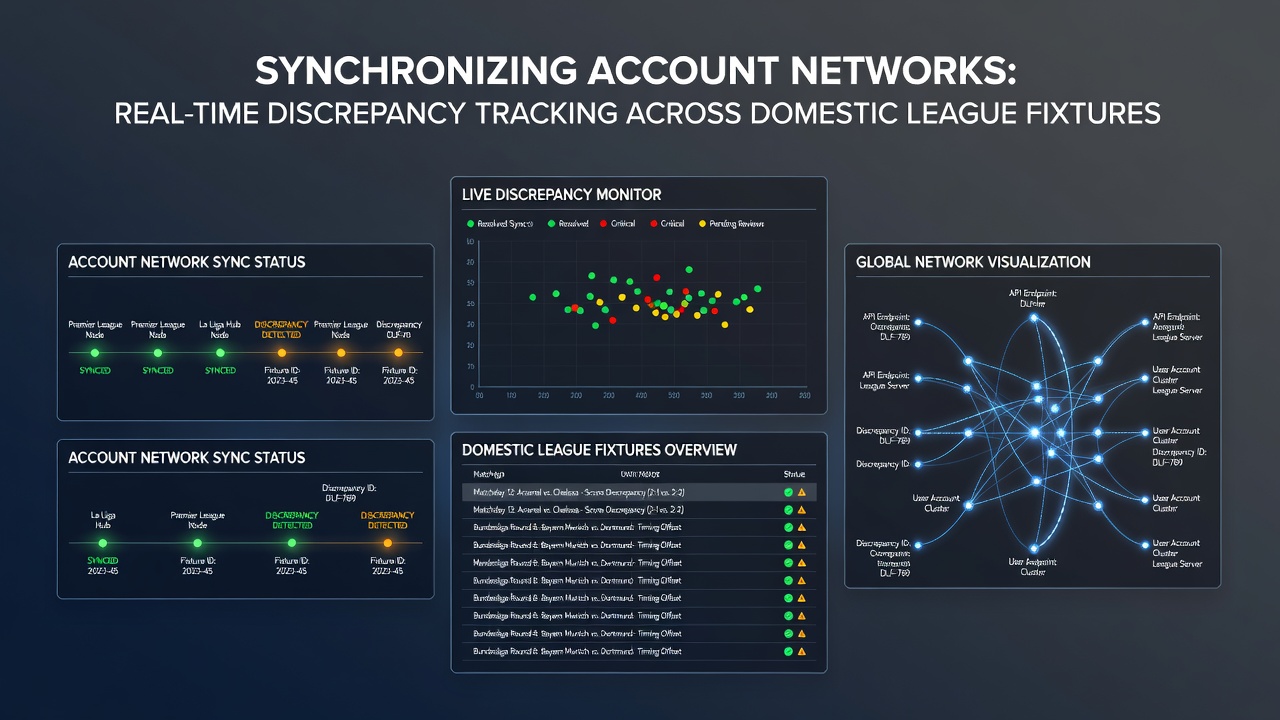
Trainers' declarations and jockey changes reach the feeds at different speeds depending on the source, so the network applies weighting factors that prioritize verified announcements over preliminary rumors. Observers have documented cases where an odds movement at one exchange precedes the same shift elsewhere by several seconds, creating brief windows that automated systems capture and log for later review. The process repeats across each race on the card, building a running record of variance frequency that operators can reference when adjusting account allocations.
Developments Expected by July 2026
By July 2026, several data providers plan to release enhanced APIs that include granular timestamps down to the millisecond, and these upgrades will allow synchronization networks to distinguish between genuine pricing discrepancies and simple transmission delays. Regulatory updates in multiple jurisdictions are also scheduled to require clearer audit trails for automated trading activity, which means account networks will incorporate additional logging modules that export every comparison result in standardized formats. Those who have tested early versions of the new feeds report that reconciliation times drop by roughly 30 percent once the millisecond precision is active.
Hardware improvements at exchange data centers further support faster handshakes between accounts, reducing the risk that a network momentarily loses connection during peak national hunt days. The combination of better APIs and stricter logging standards is expected to produce more reliable records of how discrepancies evolve from pre-race markets through to the off.
Conclusion
Synchronized account networks continue to evolve as the primary method for tracking real-time discrepancies across domestic league fixtures and national hunt events, and the underlying technology now integrates faster feeds, stricter compliance requirements, and refined comparison logic. Data from international sources such as the National Indian Gaming Commission shows similar patterns in other regulated markets, confirming that precise timing remains the decisive factor in accurate variance detection. As July 2026 approaches, these systems stand ready to incorporate the next wave of technical and regulatory changes while maintaining continuous oversight of pricing movements on pitches and racecourses alike.