27 Jun 2026
Synchronized Broker Networks Driving Value in European Soccer Leagues and Historic Racing Circuits
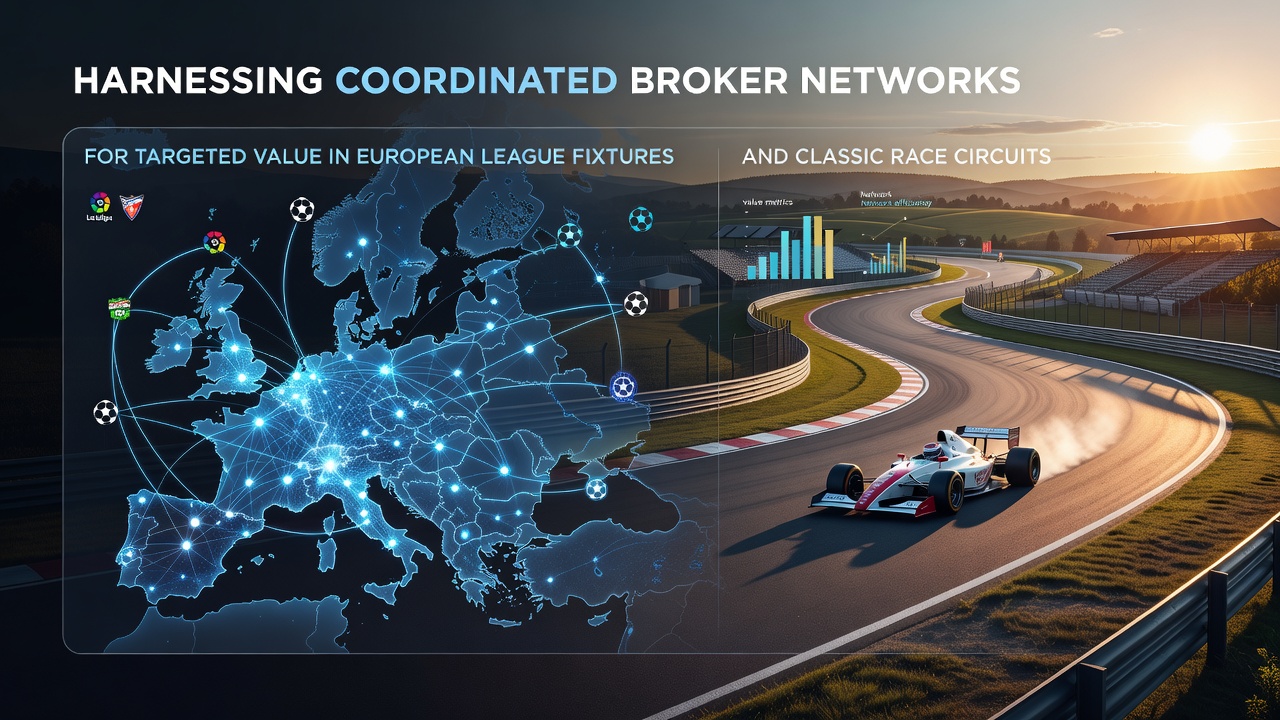
European soccer leagues and classic race circuits present distinct opportunities for those who coordinate multiple broker accounts effectively, and observers note that such setups have gained traction as markets evolve across the continent. Data from industry reports indicate that participants often layer access points to capture pricing variations in fixtures from leagues like Serie A and La Liga, while similar approaches apply to events at venues such as Longchamp and Ascot. Research indicates these networks function through simultaneous monitoring of several platforms, which allows for quicker responses to line movements without relying on any single source.
Core Mechanics of Broker Coordination
Coordinated networks operate by distributing stakes across connected accounts that draw from different liquidity pools, and this structure reduces the impact of individual account limits that often appear during peak periods. Those who manage such systems typically employ software that tracks odds in real time across brokers, then routes bets to the most favorable outlets. Figures from European betting associations reveal that average response times drop when multiple feeds integrate into one dashboard, enabling adjustments before odds shift further in football matches or thoroughbred events.
European data protection rules require clear separation of account activities, which means operators maintain distinct verification paths for each broker connection. This separation supports compliance while preserving the ability to move funds between platforms as needed. Studies from academic sources on gambling systems show that well-structured networks maintain lower overall exposure because positions spread across several counterparties rather than concentrating in one location.
Application in European League Fixtures
Football markets in leagues such as the Bundesliga and Primeira Liga feature frequent line adjustments driven by team news and weather updates, and coordinated broker access lets participants act on those changes across multiple books at once. One documented approach involves pre-setting stake allocations that activate automatically when certain thresholds appear, which researchers have observed in professional setups. Data shows that mid-week fixtures often produce wider pricing gaps because fewer sharp accounts focus on those games compared with weekend blocks.
During June 2026, several continental leagues schedule end-of-season friendlies and pre-season tours that create additional market windows, and network operators prepare by expanding their broker list ahead of these periods. Evidence from market analyses indicates that coordinated accounts capture incremental value on lower-profile matches where liquidity remains fragmented across platforms. This method contrasts with single-broker strategies, which encounter quicker stake restrictions once patterns emerge.
Strategies for Classic Race Circuits
Historic circuits host events with long-established betting traditions, and coordinated networks adapt by monitoring both on-course and off-course pricing for races at tracks like Chantilly and Newmarket. Multiple accounts allow simultaneous placement on win, place, and exotic markets, which spreads risk when late scratches alter the field. Industry reports note that racing markets move rapidly in the final minutes before post time, making integrated broker feeds essential for maintaining edges.

Those managing racing-focused networks often segment accounts by region to access localized pools that offer different odds on the same runners. Research from international gaming institutes demonstrates that such segmentation improves fill rates on larger positions, particularly during festivals where volume spikes. June 2026 brings several classic meetings that overlap with football off-seasons, creating periods when network operators shift resources between the two asset classes without interruption.
Regulatory Context Across Regions
European operators follow directives from bodies such as the Malta Gaming Authority and the Gibraltar Regulatory Authority, which set standards for account management and fund segregation. These frameworks require transparent record-keeping that coordinated networks must accommodate through automated logging features. Data released by the European Gaming and Betting Association shows steady growth in multi-account usage among professional participants while remaining within licensed channels.
International comparisons appear in reports from the Australian Communications and Media Authority, which tracks similar network practices in racing markets and finds parallels in how European operators handle cross-border liquidity. Compliance teams review these setups regularly to confirm adherence to anti-money laundering protocols that apply across borders.
Technical Integration and Risk Controls
Modern broker networks rely on API connections that pull odds and execute orders without manual intervention for each platform. Observers note that this automation reduces human error while allowing real-time reconciliation of positions across football and racing books. Risk management protocols typically include daily exposure caps per broker and automatic alerts when correlations between markets exceed set parameters.
Those who operate these systems emphasize the importance of maintaining independent funding sources for each account, which prevents cascading issues if one platform encounters temporary restrictions. Evidence from operational case studies indicates that diversified broker lists provide resilience during high-volume periods such as Champions League nights or major racing festivals.
Conclusion
Coordinated broker networks continue to serve as a practical tool for accessing value in European league fixtures and classic race circuits, with integration methods evolving alongside regulatory requirements. Market participants who maintain these systems benefit from distributed access and faster execution across varied event types. Data from multiple regulatory regions confirms that structured approaches remain viable when aligned with current compliance standards, and June 2026 schedules offer further opportunities for those prepared with diversified connections.