27 May 2026
Synchronized Account Setups for Spotting Pricing Anomalies in English Soccer and Steeplechase Events
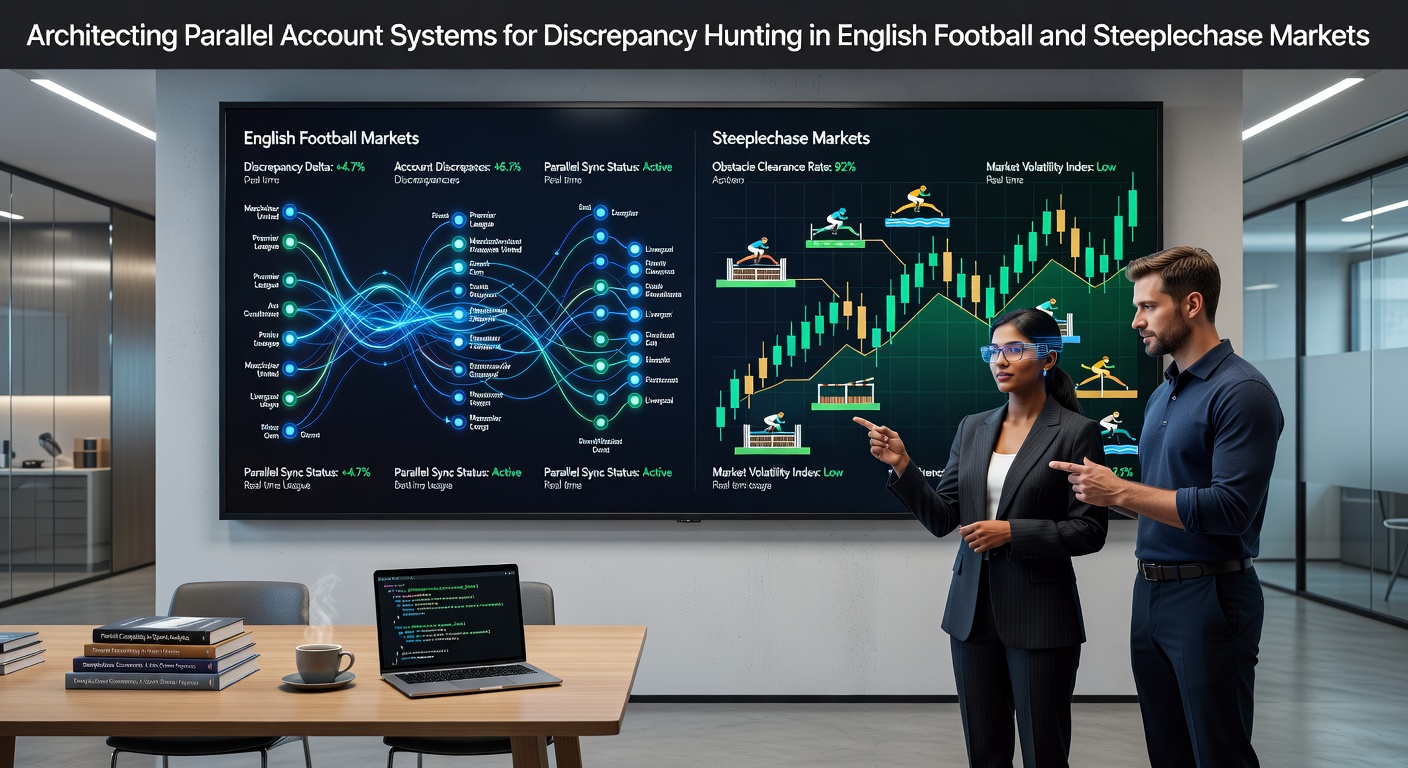
Operators and analysts have developed coordinated account frameworks that run across several licensed platforms to detect price differences in English football fixtures and steeplechase events. These systems operate by maintaining separate balances and identities while feeding real-time data into central monitoring tools that flag variations within seconds of odds publication.
Platforms publish lines at different intervals because each bookmaker applies its own risk models and liquidity thresholds, and synchronized setups allow users to compare those lines without triggering single-account alerts. Data from the European Gaming and Betting Association shows that multi-venue price spreads in major European leagues average between 1.8 and 3.4 percent during peak trading windows.
Core Components of Parallel Account Systems
Each account sits behind dedicated VPN endpoints, separate device fingerprints, and distinct funding sources that avoid overlap in transaction patterns. Software layers pull live feeds through APIs or screen-scraping modules and feed them into a unified dashboard that ranks discrepancies by size and duration. Observers note that successful implementations separate football markets, which update continuously, from steeplechase races, which feature longer ante-post periods followed by rapid in-play adjustments once the flag drops.
Allocation rules determine how much capital moves to each venue once a gap appears. Some frameworks use weighted algorithms that factor in historical settlement times and withdrawal limits, whereas others apply simple percentage splits across three to five platforms. Research from Monash University's gambling studies group indicates that accounts holding between four and seven percent of total bankroll per venue reduce exposure during simultaneous price corrections.
Application to English Football Markets
Premier League and Championship matches generate thousands of micro-markets each weekend, ranging from Asian handicap lines to player-specific cards and corners. Parallel systems scan these markets across bookmakers that source from different oddsmaking syndicates, capturing situations where one venue prices a draw at 3.40 while another lists the same outcome at 3.65. Traders typically execute within 90 seconds of detection because football lines tighten quickly once volume arrives.
Live betting adds another layer, as in-play feeds from different suppliers diverge during high-scoring sequences or red-card incidents. Systems that maintain active sessions on multiple sites can lock in opposing positions before the gap closes, and operators often schedule maintenance windows around midweek European nights when liquidity fragments across more venues.
Steeplechase and National Hunt Considerations
Steeplechase events present longer pricing cycles because ante-post markets open months ahead of major festivals and undergo gradual tightening. Parallel accounts allow positions to be layered at different stages, capturing early overround reductions when new information about ground conditions or trainer intentions emerges. Once racing begins, in-play discrepancies appear most often in place markets and each-way terms, where bookmakers adjust place dividends independently.
Those who monitor these patterns report that steeplechase lines move more predictably than flat racing because jumps races feature fewer runners and more stable pace scenarios. Systems therefore allocate larger individual stakes to jumps markets while keeping football positions smaller and more frequent to maintain overall portfolio balance.
Technical and Operational Requirements
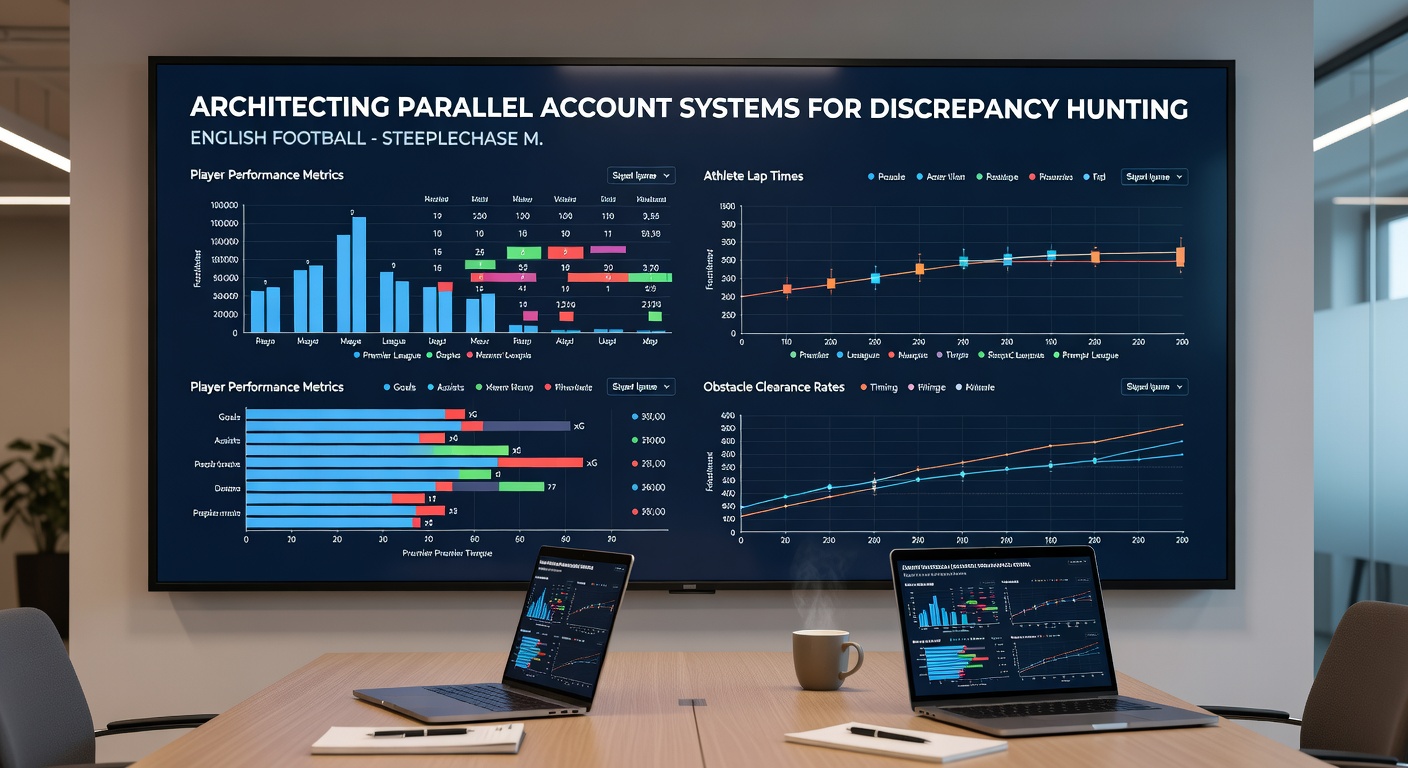
Database schemas track every account's exposure limits, recent login patterns, and settlement history to prevent simultaneous restrictions. Automated scripts rotate device profiles daily and stagger bet placement timing by random intervals between 12 and 45 seconds. Regulatory filings from the Malta Gaming Authority indicate that operators have increased their monitoring of multi-account activity ahead of expected platform rule updates scheduled for May 2026.
Security protocols include encrypted local storage for login credentials and isolated browser environments that prevent cross-site tracking. Teams that maintain these systems typically run daily reconciliation reports comparing expected versus actual settlements, flagging any venue that consistently delays payouts beyond stated timeframes.
Risk Controls and Compliance Measures
Account architects embed hard stops that pause trading when any single venue alters its terms of service or implements new verification layers. They also monitor total weekly volume against internal thresholds designed to stay beneath common detection algorithms. External audits of such frameworks, conducted by independent testing labs, verify that transaction flows remain consistent with single-user behavior patterns even though capital moves across multiple entities.
Conclusion
Parallel account systems continue to evolve as data feeds become faster and regulatory expectations shift. The architecture relies on disciplined separation of identities, precise timing mechanisms, and continuous reconciliation rather than any single technological advantage. Market participants who document their processes and maintain conservative allocation rules report sustained access across venues, while those who overlook operational hygiene encounter restrictions that collapse entire networks within weeks.