22 Jun 2026
Interfacing Multiple Wagering Platforms for Adaptive Position Control in British Football and Equine Markets
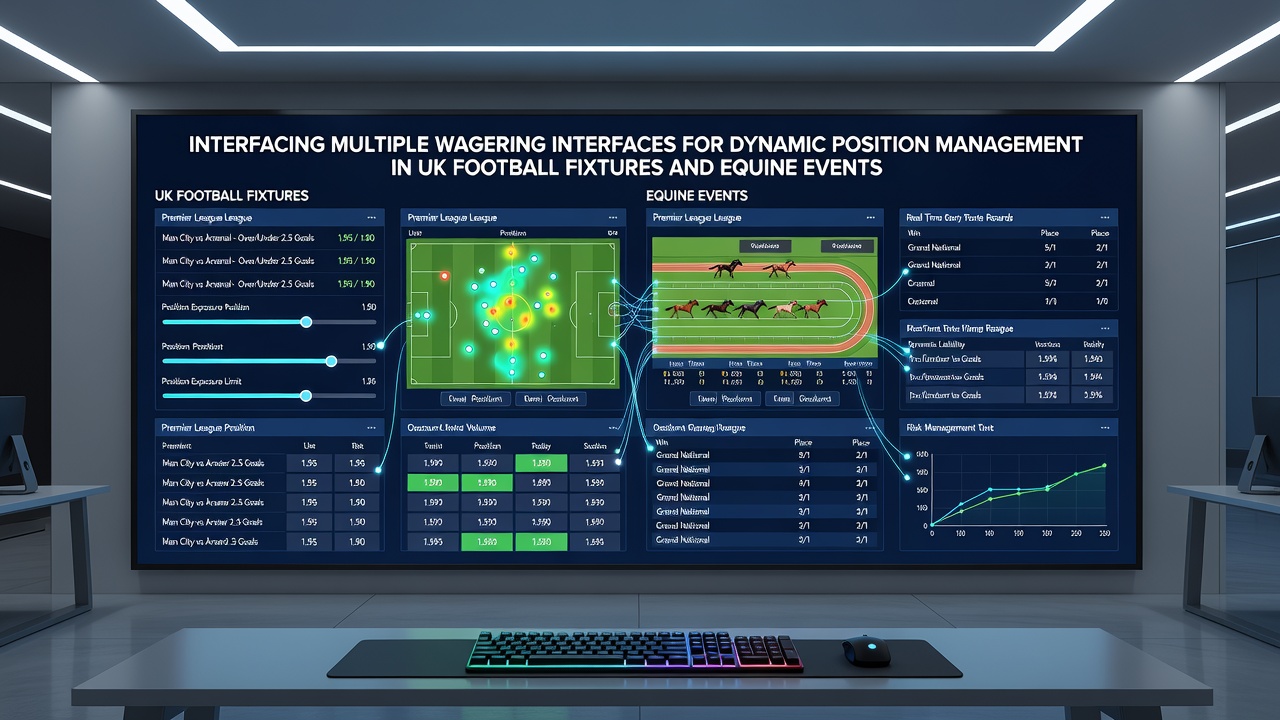
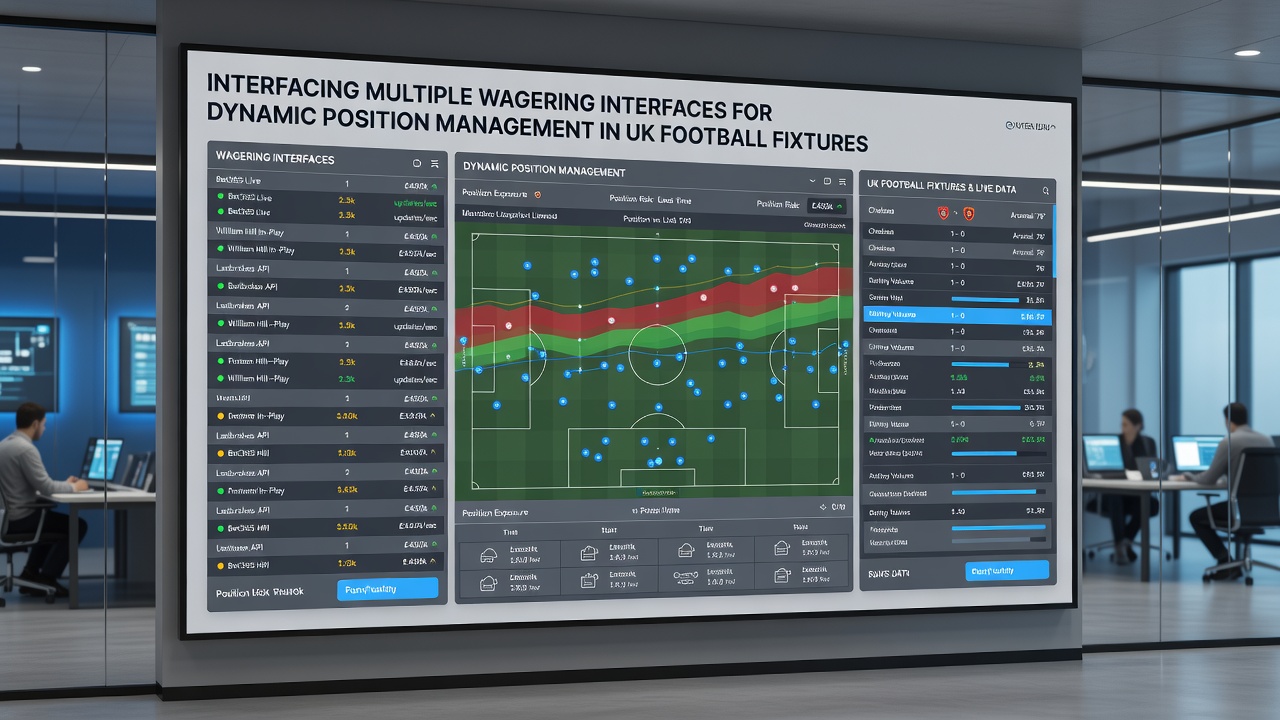
Operators and professional bettors across Britain have turned to interconnected wagering systems that link several bookmaking platforms at once, allowing continuous adjustments to open positions during football matches and horse racing events. These setups pull live odds feeds, settlement data, and account balances into unified dashboards where algorithms monitor exposure across Premier League fixtures, Championship games, and meetings at Ascot, Newmarket, or Cheltenham.
Developers design the connections through application programming interfaces supplied by individual operators, while middleware layers handle authentication, rate limiting, and failover routing when one source experiences latency. The result lets users shift stakes between accounts without manual intervention, a process that becomes critical when line movements accelerate in the final minutes before kickoff or in the closing stages of a race.
Core Components of Multi-Platform Connections
Each interface supplies distinct data streams that include pre-match and in-play odds, cash-out values, and liability calculations. Software aggregates these feeds into a single risk matrix that calculates net exposure on a given outcome across all linked accounts. When one platform shortens odds on a particular horse or team, the system can trigger offsetting bets on other platforms to maintain a desired delta or hedge ratio.
Security protocols require encrypted tunnels and token-based access that rotate frequently, while logging mechanisms record every order placement and cancellation for compliance audits. Data from the European Gaming and Betting Association shows rising adoption of such layered architectures among professional users who operate across multiple jurisdictions.
Application in Football Fixtures
During Premier League weekends, dynamic position management focuses on live adjustments to goal totals, Asian handicaps, and player props. A system might open an initial stake on over 2.5 goals at one operator, then add a partial hedge on the same line at another provider once the in-play model detects a shift in expected goals. Observers note that these layered approaches become especially relevant in matches featuring high-pressing teams where scoreline volatility increases after substitutions.
June 2026 brought further refinements to API documentation from several major operators, enabling faster order routing and reducing slippage on large positions. Teams managing multiple accounts report that automated rebalancing now occurs within sub-second windows, limiting the window during which correlated markets can move against an open portfolio.
Handling Equine Events and Racing Markets
Thoroughbred and jumps racing present shorter decision windows because markets often tighten rapidly once the parade ring forms and non-runners are confirmed. Multi-interface tools allow users to maintain balanced books on each-way bets, forecast combinations, and place markets by distributing stakes across several exchanges and traditional bookmakers simultaneously. When late withdrawals occur, the software recalculates liabilities and suggests immediate corrective orders on remaining platforms.
Researchers at the University of Nevada, Las Vegas International Gaming Institute have documented similar patterns in other racing jurisdictions, noting that synchronized position management reduces variance in daily profit-and-loss statements for high-volume operators. British users apply comparable logic to all-weather fixtures and evening meetings where liquidity varies sharply between tracks.
Technical and Regulatory Considerations
Latency, data integrity, and account verification remain primary constraints. Developers implement heartbeat checks that pause trading if any connected platform falls outside acceptable response thresholds. Account-level restrictions imposed by operators on maximum stakes or number of simultaneous bets require additional logic layers that split orders across multiple credentials while staying within permitted limits.
According to reports from the International Center for Gaming Regulation, jurisdictions outside the UK have begun publishing technical standards for third-party interface providers, creating reference frameworks that British operators sometimes adopt voluntarily. These standards address order acknowledgment times, error handling, and reconciliation procedures that help maintain consistent records across platforms.
Conclusion
Interfacing multiple wagering platforms has become a standard operational practice for those managing dynamic positions in UK football fixtures and equine events. The combination of API connectivity, automated risk matrices, and regulatory alignment allows continuous adjustment of exposure as markets evolve. As technical standards continue to mature through 2026 and beyond, the infrastructure supporting these multi-platform strategies is expected to expand further, offering greater precision for users who operate across both sports and racing calendars.