29 Jun 2026
Integrating Multi-Platform Systems to Handle Line Movements in Global Events and Seasonal Domestic Racing
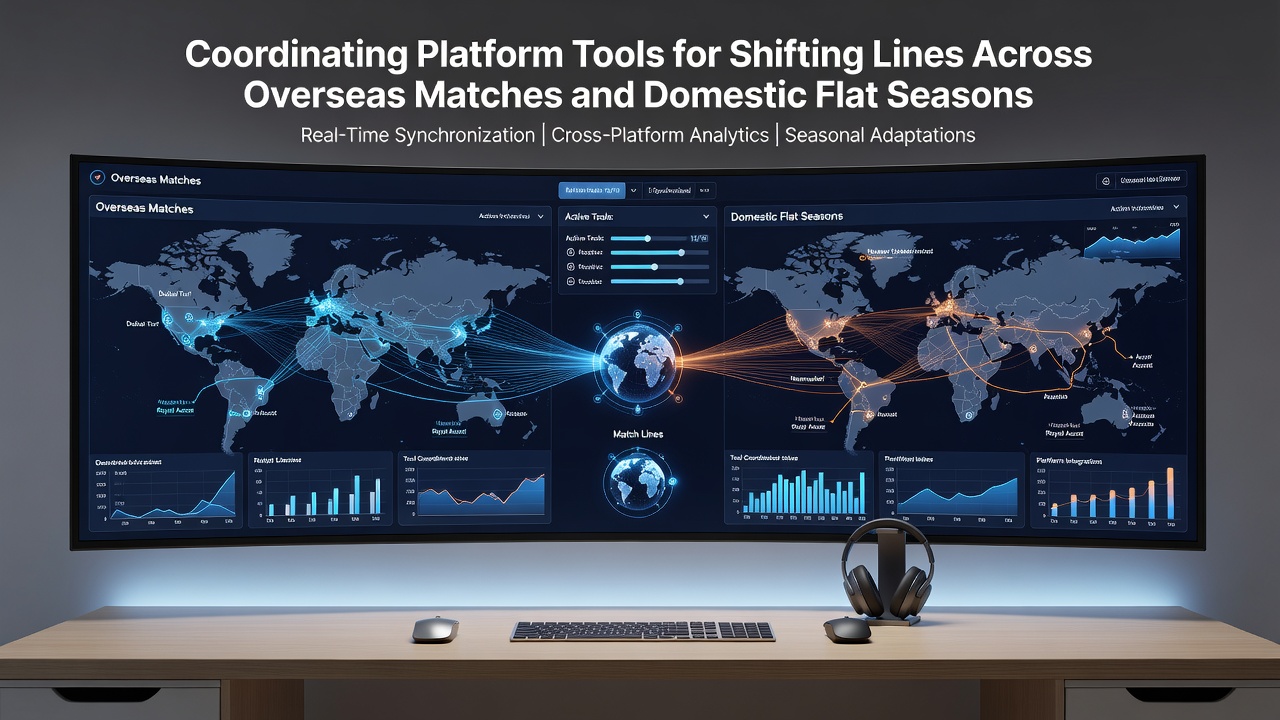
Coordinating platform tools have become essential for managing dynamic odds adjustments across overseas matches and domestic flat seasons because operators must respond simultaneously to data feeds from multiple time zones and racing jurisdictions. These systems connect betting exchanges, bookmaking software, and risk management dashboards into unified interfaces that update lines without manual intervention in most cases. Observers note that such integration reduces latency when prices shift due to late team news in international fixtures or track conditions at domestic venues.
Operators often deploy application programming interfaces that pull live data from sources in Europe, Asia, and Australia while syncing with local flat racing calendars that run from spring through autumn in the northern hemisphere. Research indicates these tools allow for automated hedging across correlated markets like premier league matches scheduled alongside major racing festivals. Data from industry reports shows average response times dropping below three seconds when platforms coordinate multiple accounts through centralized risk engines.
Core Components of Coordination Platforms
Modern coordination platforms typically include modules for real-time line monitoring, automated arbitrage detection, and cross-market position balancing that operate continuously during overlapping event windows. One study revealed that firms using layered APIs achieved consistent synchronization between soccer in-play odds and thoroughbred flat race pricing because the software accounts for currency fluctuations and liquidity variations across regions. Those who've examined these setups know that the architecture relies on cloud-based servers positioned near major exchange data centers to minimize delays during peak activity periods.
Key elements also encompass user permission hierarchies that let different teams manage specific books while maintaining an overarching view of total exposure. According to figures from the European Gaming and Betting Association, adoption of such unified tools increased notably between 2023 and 2025 as operators expanded into cross-border offerings. What's interesting is how these platforms handle the distinct rhythms of overseas matches that occur at irregular hours compared with the more predictable schedules of domestic flat seasons.
Handling Shifting Lines in Overseas Matches
Overseas matches generate rapid line movements from factors including player injuries, weather updates, and betting patterns originating in distant markets. Coordination tools address this by establishing priority rules that elevate certain data streams while suppressing others during high-volatility periods. Researchers discovered that systems incorporating machine learning models can predict probable line directions based on historical patterns from similar fixtures, which helps operators adjust stakes proactively rather than reactively.
Take one case where experts tracked a series of Asian football leagues overlapping with European domestic racing; the platforms automatically recalibrated margins to preserve balance across both verticals. Observers note that June 2026 marks a period when several major confederation tournaments coincide with peak flat racing activity in multiple countries, placing extra demands on these synchronization features. Platforms must therefore incorporate failover mechanisms that maintain uptime when primary data feeds encounter disruptions.
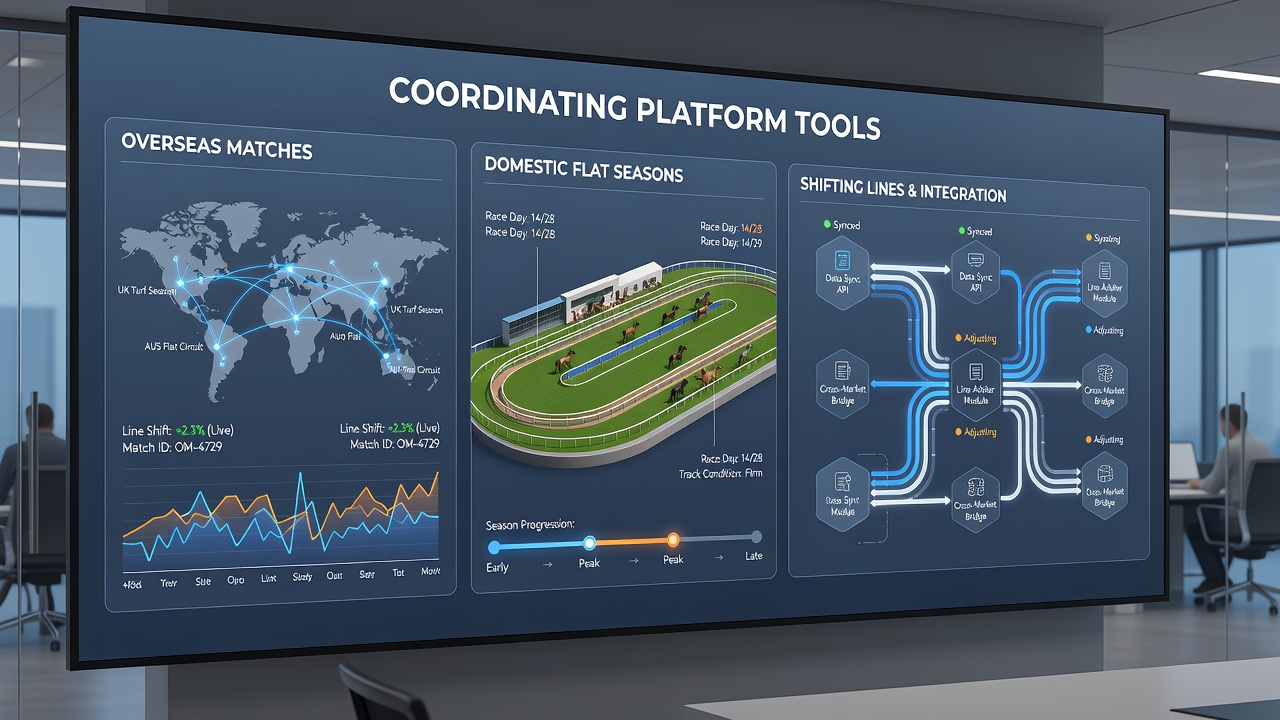
Aligning with Domestic Flat Season Requirements
Domestic flat seasons follow structured calendars that operators can preload into coordination platforms months in advance, allowing preemptive setup of market templates for each meeting. These templates include variables for track bias, horse form data, and jockey statistics that integrate with live odds feeds once racing begins. Evidence suggests that platforms capable of blending these static datasets with dynamic inputs from overseas events produce more stable pricing across the entire portfolio.
But here's the thing: flat racing liquidity tends to concentrate around feature events, which creates brief windows where overseas match lines must take secondary priority to avoid overexposure. Industry organizations such as the Australian Wagering Council have documented how operators in that region coordinate tools to manage both local thoroughbred circuits and simultaneous international sports calendars. The result is a workflow where alerts trigger only when predefined thresholds for combined risk are breached.
Technical Integration and Data Flow
Effective coordination requires standardized data formats that allow disparate systems to communicate without custom coding for each new market. Many platforms now support JSON-based feeds alongside legacy protocols still used by certain racing authorities. Those who've studied implementation timelines report that full integration across five or more jurisdictions typically requires between four and eight weeks of testing to ensure accuracy during live events.
Security protocols form another layer because platforms must encrypt all cross-border transmissions while complying with varying data protection standards. Reports from the National Council on Problem Gambling in the United States highlight how secure coordination tools also support responsible gambling features by limiting exposure across linked accounts. This capability becomes particularly relevant when overseas matches and domestic flat races generate simultaneous betting surges.
Future Developments in Platform Coordination
Developers continue refining these tools with enhanced predictive analytics that incorporate satellite weather data for racing surfaces and social media sentiment analysis for overseas team news. Such additions aim to give operators earlier warnings of potential line shifts. Data shows gradual movement toward greater automation, with human oversight reserved for exceptional circumstances rather than routine adjustments.
Conclusion
Coordinating platform tools for shifting lines across overseas matches and domestic flat seasons represent a convergence of technology and operational discipline that enables consistent market management. Organizations adopting these systems gain the capacity to respond uniformly whether events unfold in distant time zones or on familiar local tracks. As schedules intensify around periods like June 2026, the value of seamless integration across platforms continues to grow according to available industry metrics and regulatory observations from multiple jurisdictions.