18 Jul 2026
Connecting Global Liquidity Sources for Stable Position Management in Soccer Leagues and Flat Racing Events
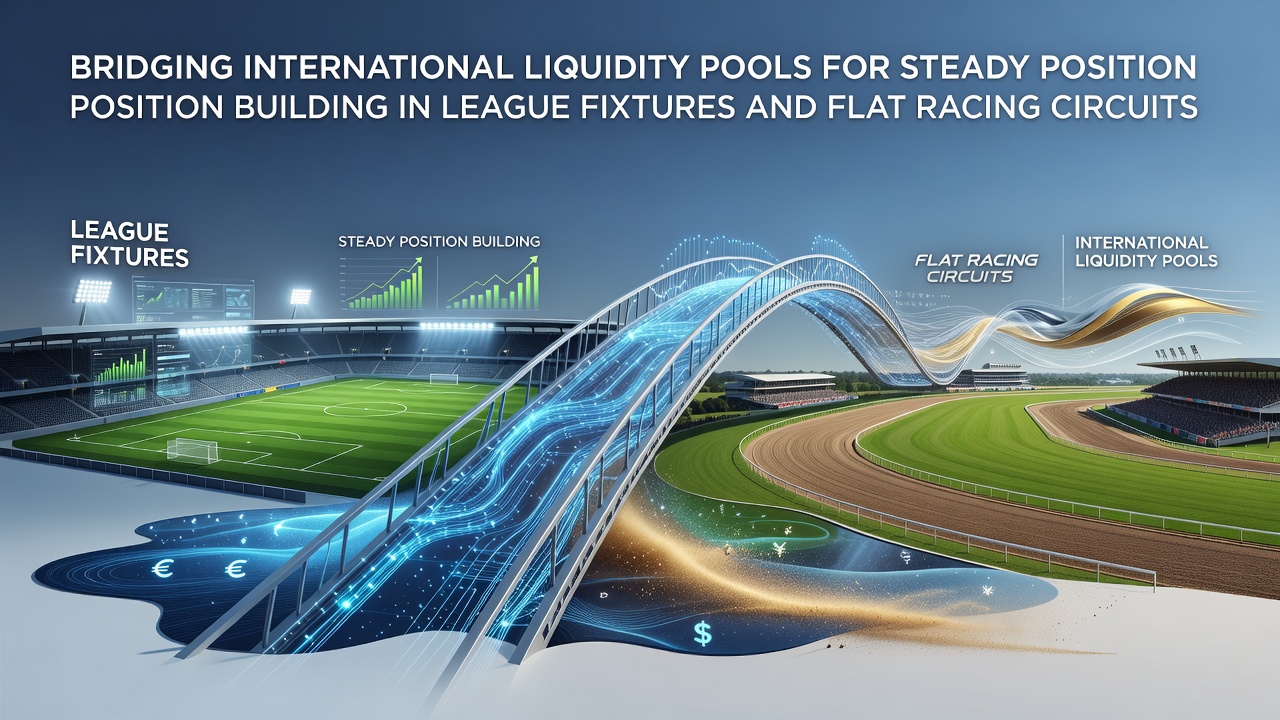
Market participants have long recognized that liquidity depth varies significantly across different regions and platforms when it comes to building positions in league fixtures and flat racing circuits. Data from industry reports shows that deeper pools often exist in overseas exchanges and bookmaker networks, which creates opportunities for those who can access multiple sources simultaneously. Observers note that effective bridging involves routing orders through specialized intermediaries who maintain relationships with these international venues, allowing positions to be accumulated without triggering rapid price adjustments.
Mechanics of Cross-Border Liquidity Access
Bridging occurs when operators link accounts across several liquidity providers so that a single wager can draw from multiple reservoirs at once. Research indicates that this approach reduces the impact of shallow local books, particularly during high-volume periods such as midweek European league rounds or major flat racing meetings in summer. Figures from market analyses reveal that average depth in certain Asian and Australian exchanges exceeds that found in many domestic outlets by factors of three to five during peak hours, which explains why coordinated routing has become a standard tactic.
Those who manage such setups typically monitor real-time order books from several continents, adjusting allocations as imbalances appear. A single large order placed through one channel might move odds by several points, yet the same volume spread across bridged sources often results in smaller shifts. Experts have observed that success depends on low-latency connections and pre-arranged credit lines, because delays can erase the advantage before execution completes.
Application to League Fixture Markets
League fixtures present recurring patterns of liquidity concentration around popular teams and high-profile matches. Studies of Premier League and Serie A trading volumes show that early-week markets often lack sufficient depth for larger positions, whereas Asian and European exchanges maintain steadier interest throughout the day. Participants who bridge these pools can therefore scale entries gradually, layering smaller amounts as fresh liquidity arrives from different time zones.
One documented approach involves starting with modest stakes on a favored side in a mid-table contest, then adding to the position once overseas books absorb the initial flow. Data shows that such incremental building keeps average entry prices closer to the opening line compared with single-source execution. July 2026 market summaries from North American gaming authorities highlight similar patterns emerging in expanding soccer betting segments, where cross-border access has grown alongside regulatory changes in several jurisdictions.
Position Building Across Flat Racing Circuits
Flat racing circuits generate liquidity spikes around major events yet experience thinner books between headline races. Australian and Hong Kong exchanges frequently provide continuous two-way pricing on international runners, while certain North American and European platforms focus more narrowly on local meetings. Bridging allows traders to maintain exposure across multiple circuits without waiting for local books to replenish after each race.
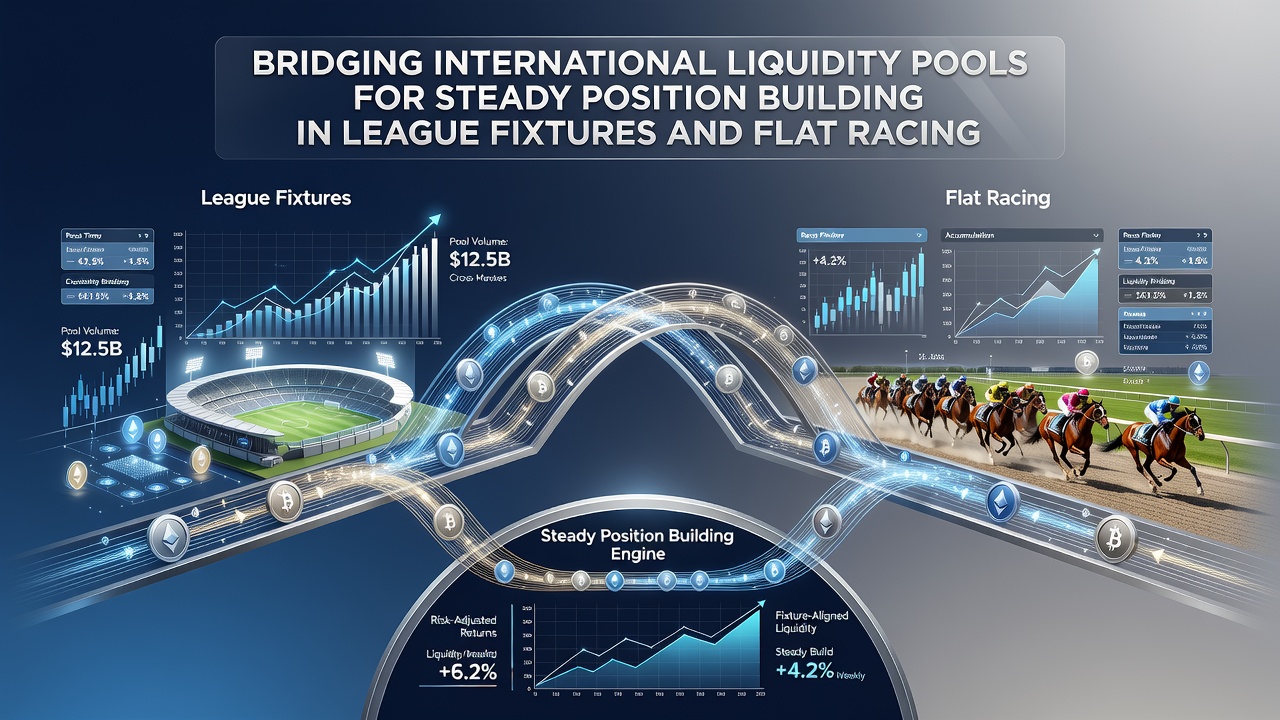
Researchers studying thoroughbred markets have noted that overnight liquidity from Asian pools often supports European and Australian morning prices, creating windows where positions can be adjusted with minimal slippage. Those managing multi-circuit books therefore schedule entries to coincide with these overlapping periods. Evidence from academic papers on pari-mutuel versus fixed-odds interactions further demonstrates that diversified routing preserves margins when tote pools close or when track-specific limits are reached.
Operational Considerations and Risk Controls
Effective bridging requires robust reconciliation systems because positions held across venues must be netted accurately at settlement. Industry organizations such as the Australian Gambling Research Centre have published findings on settlement discrepancies that arise when orders are split internationally, underscoring the need for automated matching protocols. Participants also track currency fluctuations and settlement timelines, since delays in one jurisdiction can affect margin calls elsewhere.
July 2026 updates from Canadian provincial regulators indicate increased scrutiny of cross-border account linkages, prompting operators to document routing logic more thoroughly. Those who maintain detailed audit trails report fewer interruptions when liquidity sources adjust their own risk parameters mid-meeting. The same reports emphasize that consistent position sizing across bridged pools helps avoid concentration risk in any single venue.
Conclusion
Bridging international liquidity pools has become an established method for achieving steadier position accumulation in both league fixtures and flat racing circuits. Available data confirms that coordinated access to multiple sources reduces price impact while expanding the feasible size of entries. As markets evolve through 2026 and beyond, participants who refine these connections continue to adapt to shifting depths across regions and racing calendars.