20 May 2026
Balancing Capital Flows Across Betting Venues for Capturing Price Inconsistencies in League Games and Steeplechase Competitions
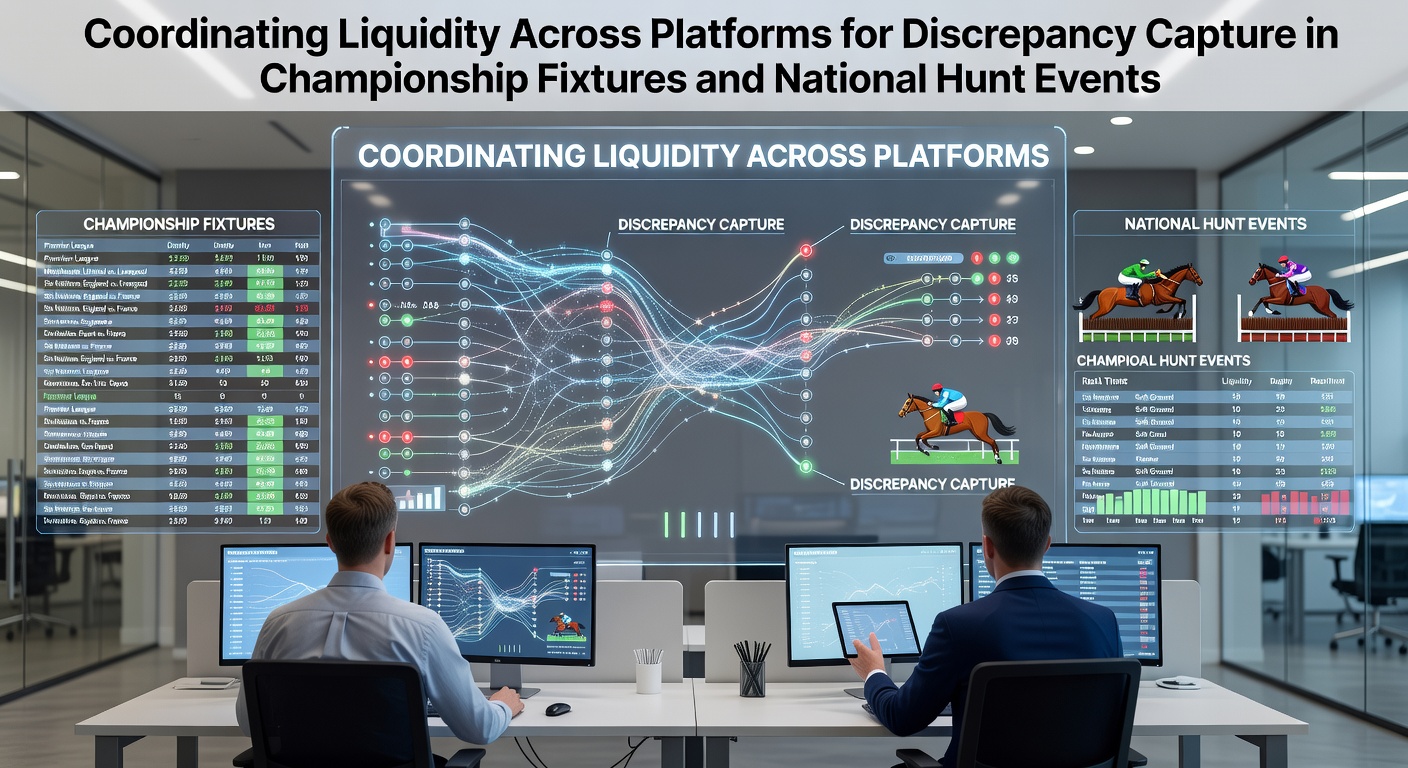
Coordinating liquidity across platforms involves distributing available funds strategically so that discrepancies in odds for championship fixtures and national hunt events become actionable opportunities, and operators along with advanced participants track real-time shifts in multiple venues at once because these variations often appear during high-volume periods such as midweek league matches or weekend jumps cards.
Championship fixtures generate substantial trading activity where line movements occur rapidly after team news emerges, and those who maintain balanced reserves across exchanges can secure positions on both sides of a market when one platform lags behind another in reflecting the latest information, which creates temporary pricing gaps that close once liquidity equalizes.
Core Mechanisms of Liquidity Coordination
Participants establish automated alerts that flag odds differences exceeding a predefined threshold, while manual oversight remains essential during volatile periods such as injury updates or weather changes that affect national hunt fields, and this dual approach ensures funds move efficiently without overexposure on any single outcome because synchronized transfers prevent one account from running dry while another holds excess reserves.
Research from the New York State Gaming Commission indicates that multi-venue participation has grown steadily as technology enables faster fund transfers, and data shows participants who pre-allocate capital in proportion to historical discrepancy frequency achieve higher capture rates across both soccer and racing markets.
Application to Championship Fixtures
Championship matches feature frequent roster adjustments and late fitness reports that influence totals and handicaps, and coordinated liquidity allows capture of discrepancies when one platform adjusts its numbers ahead of others, which happens often in lower-profile midweek games where overall volume remains moderate yet sharp action concentrates on specific angles.
Take one case where experts observed a sudden shift in corner markets after a key midfielder was ruled out, and platforms updated their lines at staggered intervals, enabling those with ready funds on multiple sites to lock in the favorable side before the gap narrowed, and similar patterns repeat across the season because information dissemination varies by operator infrastructure.
Handling National Hunt Events
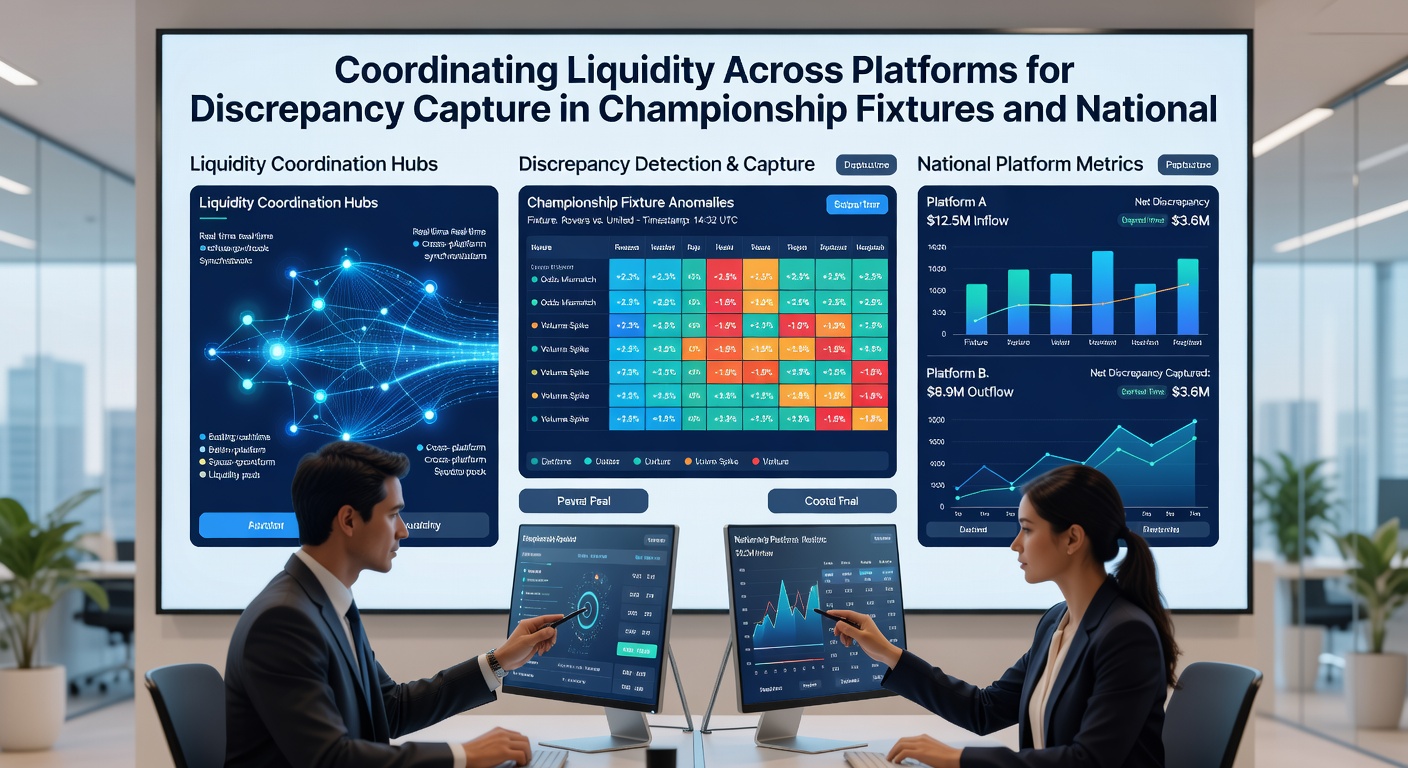
National hunt events introduce additional variables such as ground conditions and pace dynamics that affect both win markets and place terms, and liquidity coordination becomes particularly relevant when ante-post prices diverge from live odds as declarations finalize, since some venues react faster to trainer comments or stable reports while others maintain earlier lines longer.
Observers note that jumps meetings often see clustered discrepancies around the final declarations stage, and those maintaining balanced exposure across platforms can move capital to the venue offering the widest overlay without delay, which proves effective during festivals where multiple races run in quick succession and markets evolve continuously.
Technology and Timing Considerations
Software tools facilitate simultaneous monitoring and instant transfers between accounts, yet human judgment determines when to execute moves because automated systems may miss contextual factors such as trainer patterns or historical course biases, and the combination yields more consistent results than either method alone according to industry reports.
Upcoming regulatory adjustments scheduled for May 2026 are prompting operators to refine their liquidity protocols in advance, and figures from various gaming authorities reveal that platforms are investing in faster reconciliation systems to handle increased cross-venue activity while remaining compliant with emerging standards.
Studies conducted by the University of Nevada, Las Vegas Center for Gaming Research highlight how timing precision directly correlates with capture success rates in volatile sports markets, and participants who integrate these insights into their allocation models report steadier performance across football and racing calendars.
Conclusion
Coordinating liquidity across platforms for discrepancy capture in championship fixtures and national hunt events relies on preparation, monitoring, and swift execution rather than isolated wagers, and the approach continues to evolve as both technology and regulatory frameworks advance, which keeps the practice aligned with broader market developments.